


Highlights
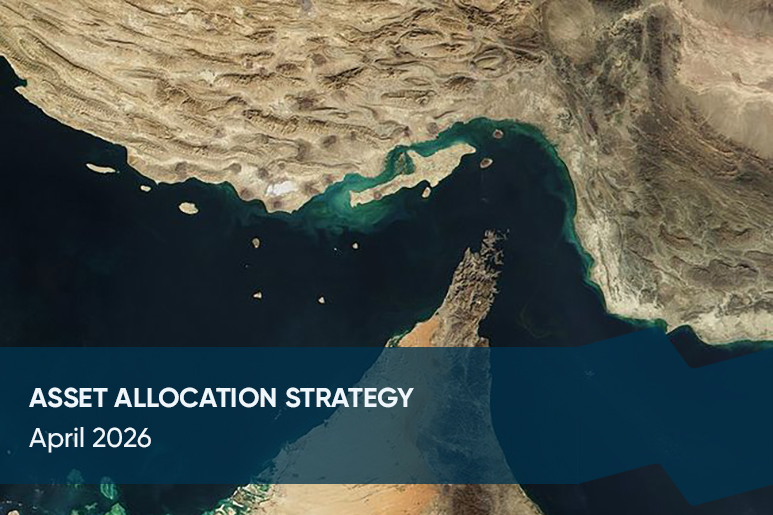
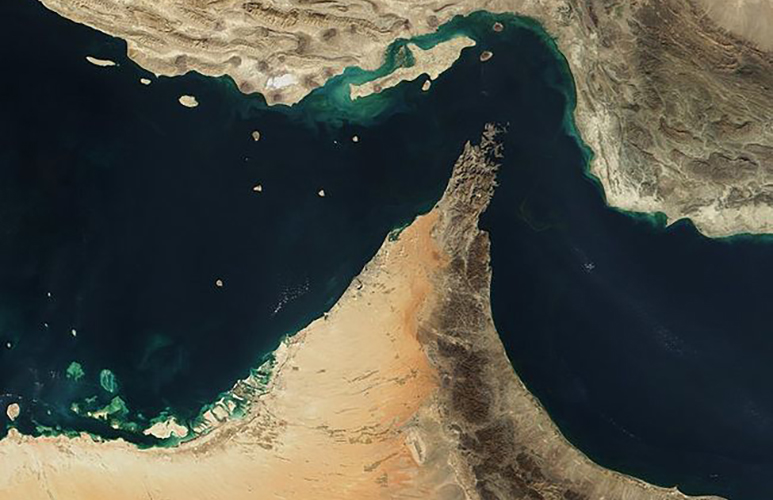
Volatility rose sharply across financial markets in March, as the escalation between Washington and Tehran led to a near‑complete closure of the Strait of Hormuz through which roughly 20% of global oil consumption normally transits.
Over the past five decades, five major conflicts have triggered sharp increases in oil prices. While no perfect parallel exists, the experience of the Gulf War nonetheless suggests that the situation could deteriorate further before improving.
Fortunately, current oil price levels and the global economy’s reduced sensitivity to oil shocks suggest that a recession remains largely avoidable. That said, the longer maritime traffic in the Strait of Hormuz fails to resume, the greater the risk economic consequences will intensify in a non‑linear fashion.
Moreover, beyond the United States’ energy resilience, more serious challenges are emerging in Europe and Asia, compounded by supply‑chain disruptions that extend well beyond the energy sector alone.
In this context, we reduced our equity allocation to a neutral level and increased our exposure to bonds on March 19. Still‑solid earnings expectations suggest that equities could rebound quickly should geopolitical conditions improve more favourably in early April. Failing that, the absence of excessive pessimism and still‑elevated valuations point to downside risk.
Finally, the risk of higher bond yields now appears more limited, while developments in gold prices continue to leave us perplexed, despite the pullback observed in March.
Bottom Line
While our baseline scenario continues to assume ongoing economic growth — provided that a gradual recovery in maritime traffic in the Persian Gulf begins over a relatively near horizon — the risk of a stagflationary shock, with more severe consequences for global growth, remains meaningful. From a tactical standpoint, this environment of heightened uncertainty calls for tighter risk management until (1) visibility improves or (2) investor pessimism becomes excessive.